Metals have the ability to react with substances such as water and acids.
These reactions provide valuable insights into the reactivity of different metals and have numerous practical applications in industry, energy production, and everyday life.
Metal Reactions with Water
When metals come into contact with water, they may react to form metal hydroxides or metal oxides, along with the release of hydrogen gas. The vigour of the reaction depends on the metal’s position in the reactivity series.
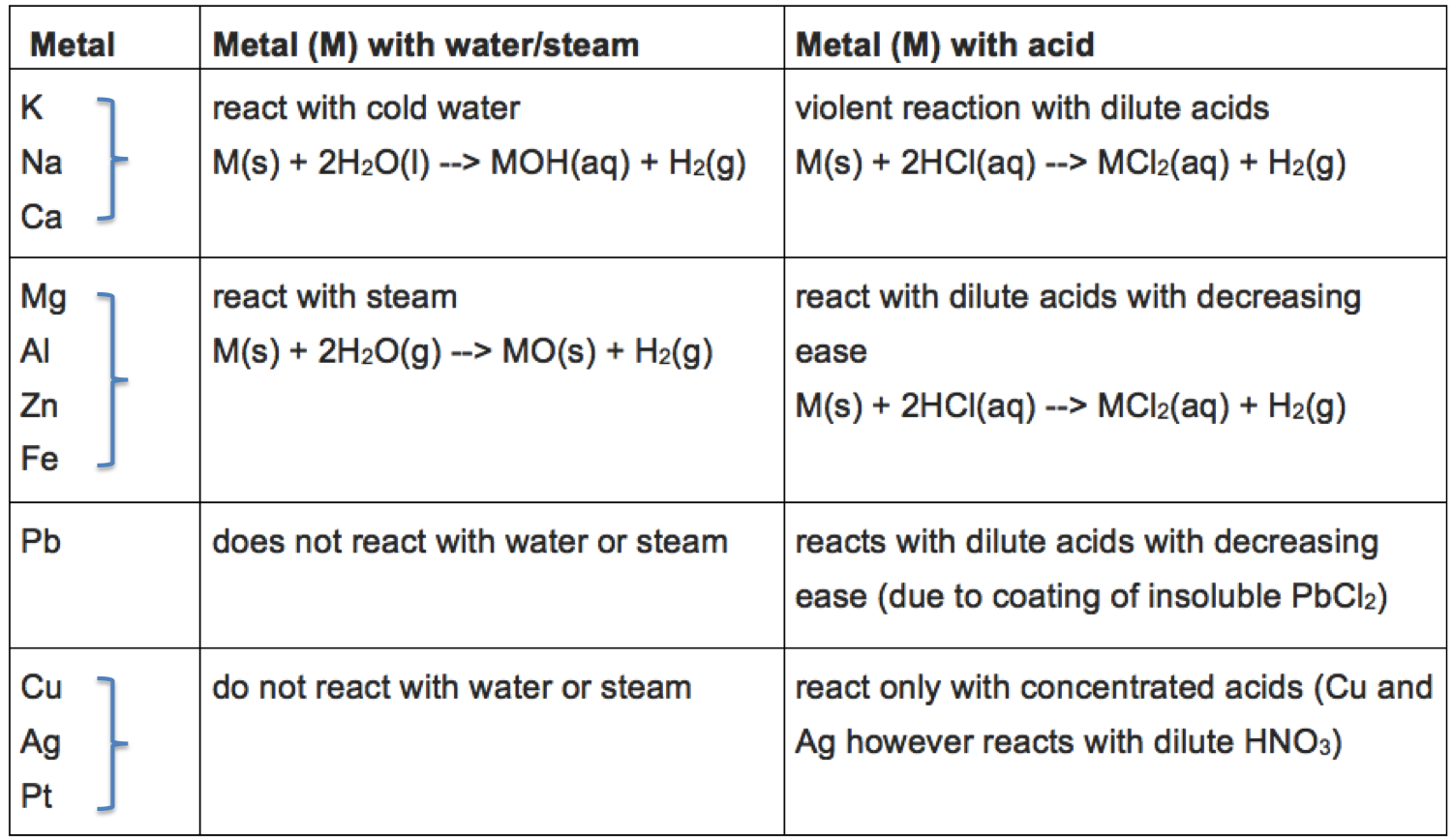
Highly reactive metals such as potassium, sodium and calcium react readily with cold water. For example, sodium reacts vigorously with water to produce sodium hydroxide and hydrogen gas:
2Na + 2H₂O → 2NaOH + H₂
Less reactive metals, such as magnesium, react slowly with cold water but more rapidly with steam. Metals like copper, silver and gold show little or no reaction with water because of their low reactivity.
These reactions demonstrate how the reactivity of metals influences their behaviour in different environments and help scientists classify metals according to their chemical activity.
Metal Reactions with Acids
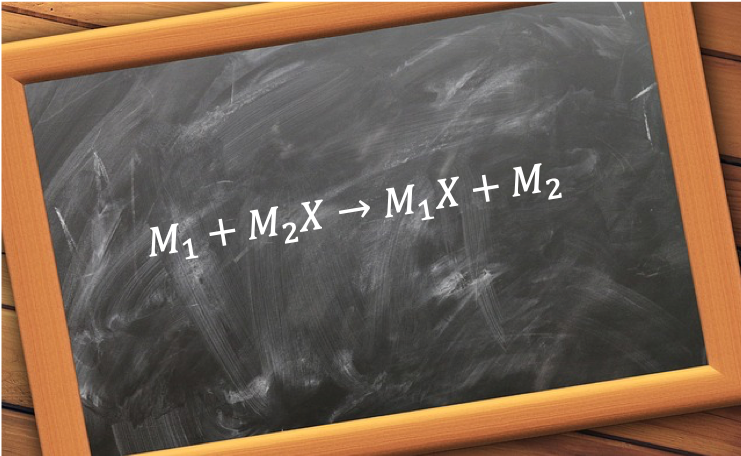
Many metals react with dilute acids to produce a salt and hydrogen gas. This occurs because metals can displace hydrogen ions from the acid solution. The general equation for such reactions is:
Metal + Acid → Salt + Hydrogen
For example, zinc reacts with dilute hydrochloric acid to form zinc chloride and hydrogen gas:
Zn + 2HCl → ZnCl₂ + H₂
Similarly, magnesium reacts vigorously with dilute sulfuric acid:
Mg + H₂SO₄ → MgSO₄ + H₂
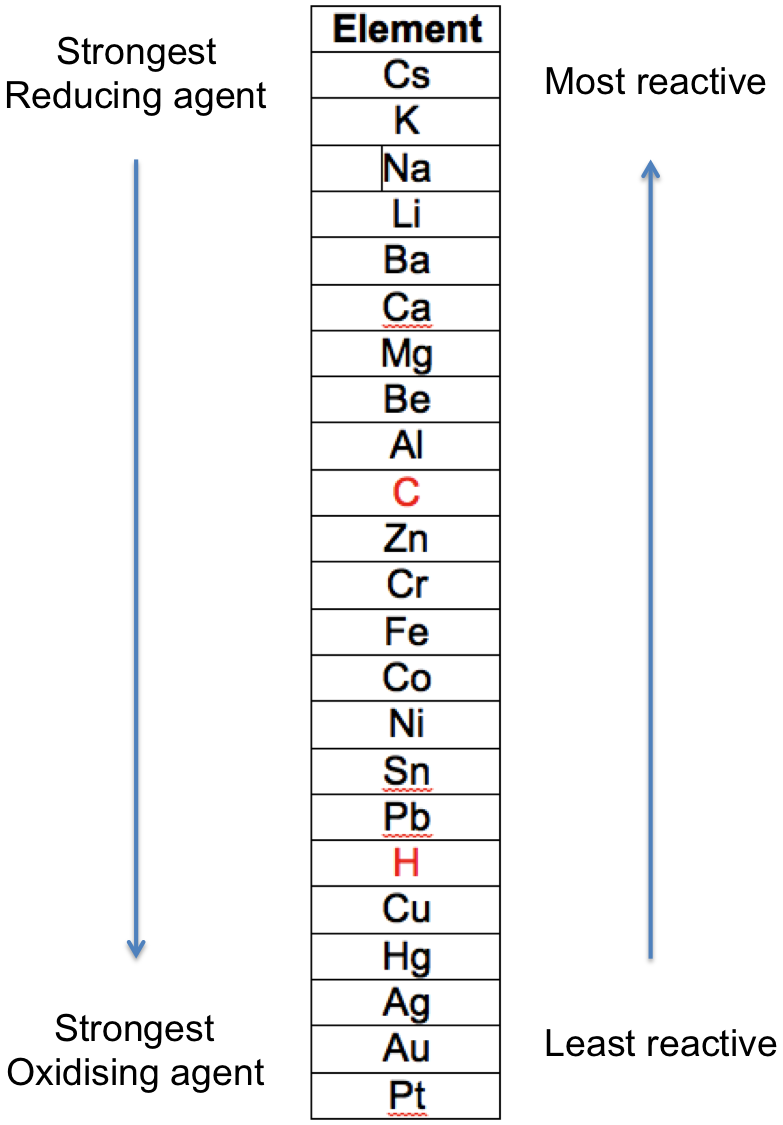
The rate of reaction depends on the metal’s reactivity. Highly reactive metals react quickly, while less reactive metals react more slowly. Metals below hydrogen in the reactivity series, such as copper, generally do not react with dilute acids because they cannot displace hydrogen from the acid.
Summary
Understanding how metals react with water and acids is essential in chemistry. These reactions help explain corrosion, metal extraction, hydrogen production, and industrial manufacturing processes. They also provide a practical way to compare the reactivity of different metals and predict their behaviour in various chemical environments.
In conclusion, metal reactions with water and acids are fundamental chemical processes that illustrate the diverse reactivity of metals. By studying these reactions, scientists and students gain a deeper understanding of chemical principles and the practical uses of metals in modern society.